

unsurtoto @ planet120 Data integrity in the age of cloud computing
As laboratory records migrate to cloud platforms and shared LIMS, accessibility has never been better — and neither has the risk surface. Data integrity is now as much an IT discipline as a scientific one, and getting it right is what makes results defensible long after the experiment ends.
ALCOA+ is still the north star
The familiar ALCOA+ principles — that data be Attributable, Legible, Contemporaneous, Original, and Accurate, plus Complete, Consistent, Enduring, and Available — translate cleanly to the cloud. The questions do not change: who recorded this, when, from what source, and can it be reproduced? Cloud tooling should make those answers easier, not murkier.
Audit trails do the quiet work
A trustworthy system records every create, edit, and delete with a user and timestamp, and never allows a silent overwrite. When a reviewer can reconstruct exactly how a value reached its final state, confidence follows automatically.
Security without friction
- Encrypt data in transit and at rest by default.
- Use role-based access so people see only what their work requires.
- Require multi-factor authentication for anything that touches records.
- Keep independent, tested backups — availability is part of integrity.
Accessibility and control are not opposites
The goal is remote-friendly access for legitimate collaborators without loosening control over the record itself. Done well, cloud LIMS give a lab both — a single source of truth that is easy to reach and hard to corrupt.
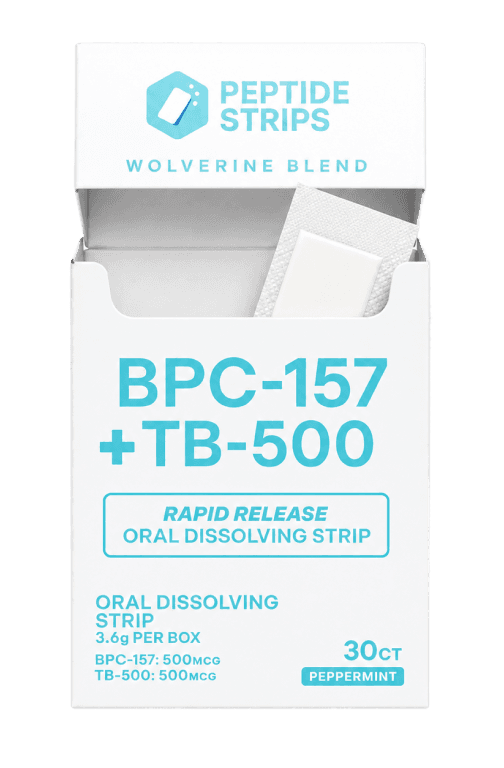
Peptide Strips products are intended solely for laboratory research and are not for human or animal consumption.