

Maskoki88 @ bogen84 Reducing solvent waste in large scale labs
In a high-throughput laboratory, solvent is both the largest consumable and one of the largest waste streams. Treating green chemistry as a practical operations problem — rather than a slogan — turns sustainability into measurable cost savings without compromising analytical quality.
Measure before you reduce
You cannot manage what you do not track. The first step is a simple solvent inventory: what is consumed, by which methods, and how much leaves as waste. Most labs discover that a handful of high-volume methods dominate the footprint, which makes prioritization straightforward.
Recovery and reuse
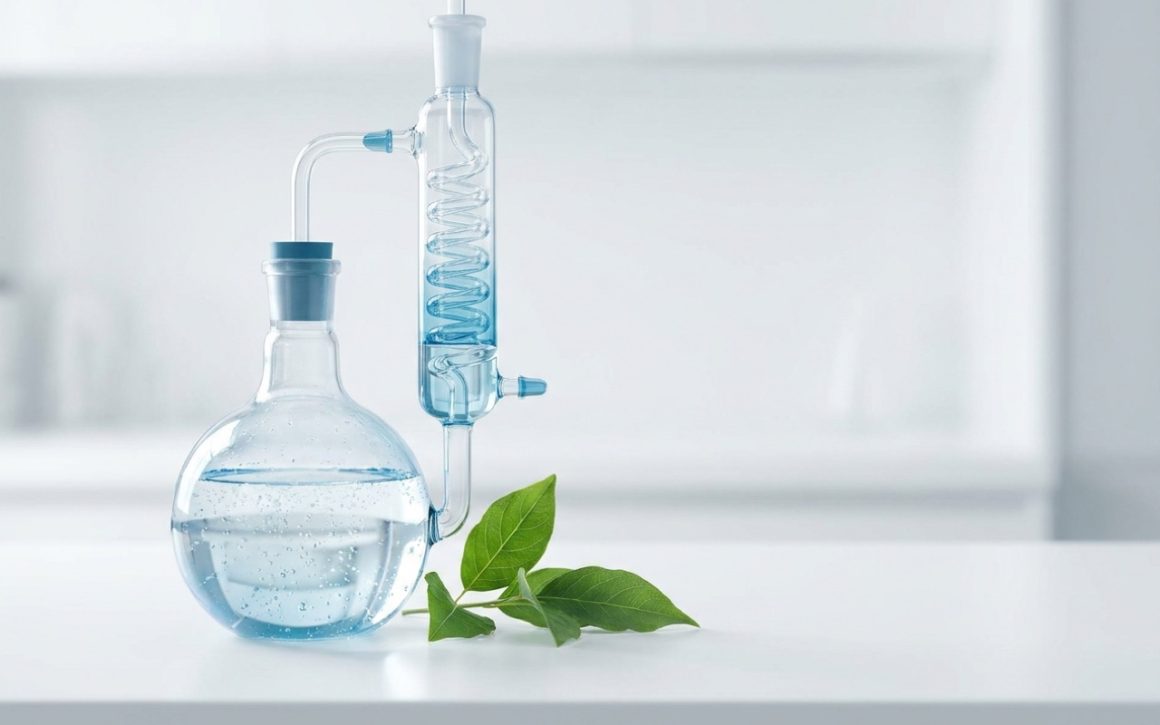
On-site distillation and solvent-recovery units can reclaim a large fraction of common solvents to a purity suitable for cleaning or non-critical steps. Reserving virgin, high-grade solvent for the analyses that truly need it — and recovered solvent for everything else — cuts both purchasing and disposal costs.
Method-level reductions
- Scale injection volumes and run times to what the method actually requires.
- Favor UHPLC methods that deliver equivalent resolution at lower flow rates.
- Consolidate small, redundant assays into shared sample prep.
Sustainability that documents itself
The same recordkeeping that supports compliance also supports greener operations: track recovery rates and waste volumes over time, and the improvements become auditable evidence rather than good intentions.
Peptide Strips products are intended solely for laboratory research and are not for human or animal consumption.